
The Lunchbox
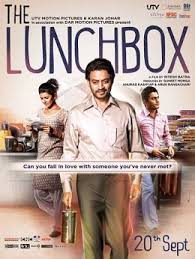
Last weekend, at a friend’s suggestion, my husband and I watched the 2013 film The Lunchbox—a surprisingly moving and unexpected love story that unfolds through something almost quaint by today’s standards: handwritten notes.
The premise is simple and quietly heartbreaking. Ila (Nimrat Kaur) wants to recapture her husband’s dwindling attention. Sensing they’ve fallen into a rut, she hopes that elevating his daily lunch—once routine, now carefully spiced and lovingly prepared—might awaken his affection.
The film is shot on location in Mumbai, where the city’s legendary dabbyawallas deliver fresh, homemade lunches from household kitchens to offices across the city through an astonishingly precise delivery system. In a rare error, Ila’s lunch is mistakenly delivered not to her husband, but to Mr. Fernandes (Irrfan Khan), an older, isolated widower nearing retirement after more than thirty years as an insurance claims officer. His work is methodical, lonely, and as monotonous as his personal life.
When Ila’s husband complains about “her” cooking—which is actually the mediocre takeout Mr. Fernandes typically receives—Ila realizes her lovingly prepared meals are landing in the wrong hands. She slips a note into the lunch container to explain. When Mr. Fernandes replies, a tender and witty correspondence begins. Over time, the two strangers become confidants, sharing longings, disappointments, and the small details of their inner lives.
(With today’s explosion of food delivery apps and single-use plastic, the dabbawallas’ clean, reusable metal lunch containers feel like characters in their own right—and a quiet, compelling alternative vision of care and sustainability. But that may be another movie, or at least another conversation.)
The Lunchbox understands that loneliness is a disease of both heart and soul—and that it can exist both inside and outside of a romantic partnership. Ila’s aunt insists that the way to a man’s heart is through his stomach, and the film plays gently with this idea. Ultimately, though, it is the written word—not the food—that becomes the most loving gesture of all.
There is something deeply nostalgic about how true the film feels. It reminds us that not so long ago, writing—slow, intentional, written by human hands—was a primary way we reached for one another. In a world now dominated by instant, disposable messages, The Lunchbox offers a quiet reminder: being seen, named, and responded to may be the most sustaining nourishment of all.
